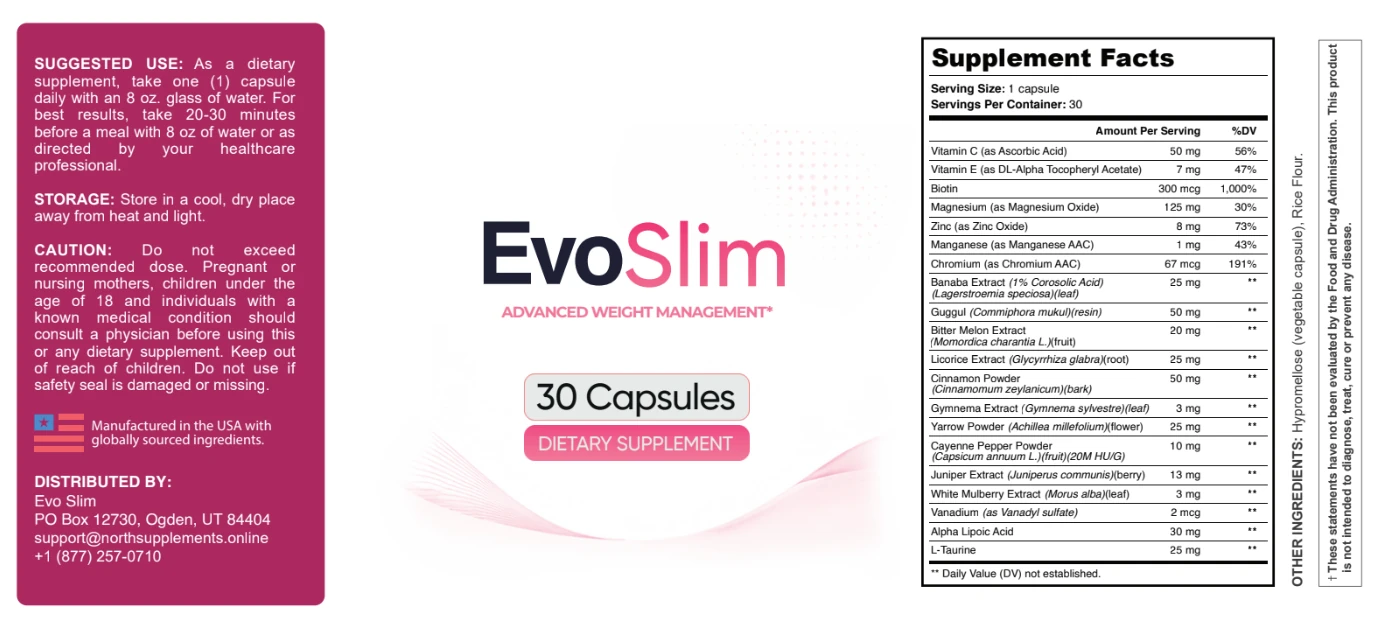
Guggul At 50 Milligrams Against Three Grams A Day
The one randomised trial of guggul used three grams a day of a standardised extract. This panel carries 50 mg of raw resin. The arithmetic, done once.
Five longer pieces about the Evo Slim label and the category it sits in, each written from the printed panel and the published literature. They cover one ingredient at a time, what the trials behind it actually used, and how to do the same arithmetic on any label you pick up.
Each runs about 1,500 words and carries its own sources.
Written by the Evo Slim Team. Last updated October 29, 2026.
The one randomised trial of guggul used three grams a day of a standardised extract. This panel carries 50 mg of raw resin. The arithmetic, done once.
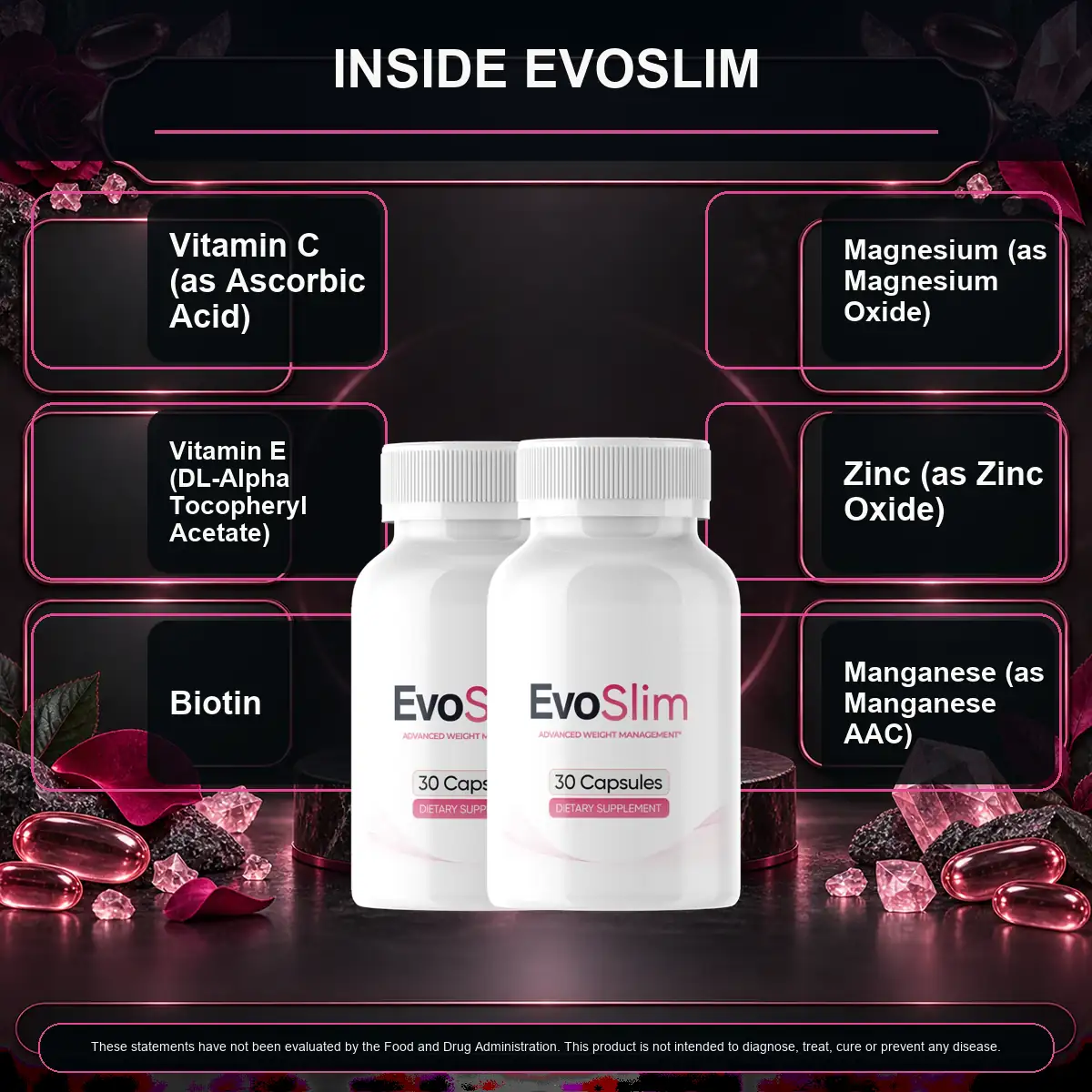
The largest amount on this label is magnesium, and the word in brackets decides what it is worth. A head-to-head trial of three salts, read closely.
The eighteenth entry on this panel is an element most people have never knowingly taken, with no reference intake, no percentage and a whole-body load of about a milligram. It is the hardest row on the label to judge, and the most interesting.

The published figure behind the word thermogenic is about fifty-nine kilocalories a day, and only above a body mass index of 25.
The trials used half a gram to six grams a day and found no effect on body mass index. This panel carries twenty-five milligrams.
A product page argues for a product. These five do something narrower and more useful: they take one row off a label at a time, find what the published work behind it actually used, and print the ratio.
Four of the five make this product look smaller than its marketing does. That is the point of writing them. The fifth, on the guarantee, is about a piece of drafting that works in the buyer’s favour and that almost nobody reads.
If you want the category rather than the product, the weight management supplement guide and the choosing checklist cover it without reference to any particular label.
Five pieces, five rows off the same printed label, and the finding each one ends on. Read whichever row you were wondering about.
Guggul has one serious randomised trial, in JAMA in 2003, and it gave 103 adults either three or six grams a day of a standardised guggulipid extract for eight weeks. This panel carries 50 mg of raw resin with no standardisation printed. The piece does the arithmetic, which comes out at roughly sixty to one, and then makes the fairer point: the trial measured cholesterol in people with hyperlipidaemia, so it is not evidence about body weight in the first place.
The largest single amount on this label is 125 mg of magnesium, and the word in brackets beside it decides what that is worth. A 2022 head-to-head trial gave 164 overweight adults 450 mg a day as citrate, oxide or sulfate for 24 weeks and found no change in arterial stiffness or blood pressure for any of the three. The piece ends somewhere unexpected: naming the salt at all is a point in this label’s favour, because a great many panels do not.
The least legible row on the panel. Vanadium has no reference intake, so it carries a dagger rather than a percentage, and the standard review puts the average whole-body load at about one milligram against a daily serving of two. The piece is about what a reader can do with a row that has no scale attached to it, and the answer is mostly: read what the label does name, which here is the element, the salt and the amount.
The word thermogenic has a published figure behind it. A meta-analysis of nine human studies put the capsaicin effect at about 245 kilojoules a day, roughly 59 kcal, and found nothing at all in participants whose body mass index averaged under 25. Fifty-nine kilocalories is one small apple. The piece also points at the absence that matters more: no caffeine, no synephrine and no yohimbine anywhere on this panel.
The last row on the label and the most recognisable name on it. The pooled human trials used half a gram to six grams a day and found effects on blood pressure and lipids, and none at all on body mass index. A single meal containing meat or seafood supplies several times what this capsule does. The piece finishes on how to spot a token row on any label, which is a more useful skill than the arithmetic that produced it.
Four rules, the same four every page on this website follows, and they are worth stating on the page where the citations are densest.
Each post carries only the sources it actually cites, four to six of them, rather than the whole site-wide list. Twenty-odd citations under a 1,500-word piece reads as padding and tells a reader nothing about which source supports which sentence.
The wider method, including how corrections are made and what commercial relationship sits behind this website, is on the about page.
Four subjects a reader might expect here, and where each one lives instead.
A journal on a retail website earns its place by being useful to somebody who does not buy anything. That is the standard these five are written to, and it is why four of the five end on a number that does this product no favours.
One last note on how to read them. Every piece here starts from a row on the printed label rather than from a claim on the front of the bottle, and that order matters more than it sounds. A front-of-bottle claim is written to be believed; a panel row is written to be checked, and the whole of what these five do is check them one at a time. The panel itself, transcribed entry by entry, is on the label page, and the ingredients page carries what is known about each of the twenty.
If a line in any of these articles is wrong, that is this desk’s problem rather than yours. Write to the website desk with the post and the line, and the correction is made on the page with the review date moved forward rather than noted somewhere nobody reads.
+1 (877) 257-0710 or [email protected]. Have the order ID from your confirmation email ready. Orders themselves are placed through the checkout on this website, never by phone and never by email.
[email protected], Mon–Fri 9:00am–5:00pm ET. This address cannot see orders, so a refund request sent here only loses days off a window that is already counting.
Call order support first and get the return noted against your order, then post the bottles with your full name, email address and order ID inside. Return postage is the buyer’s unless the parcel arrived damaged, faulty or wrong.